
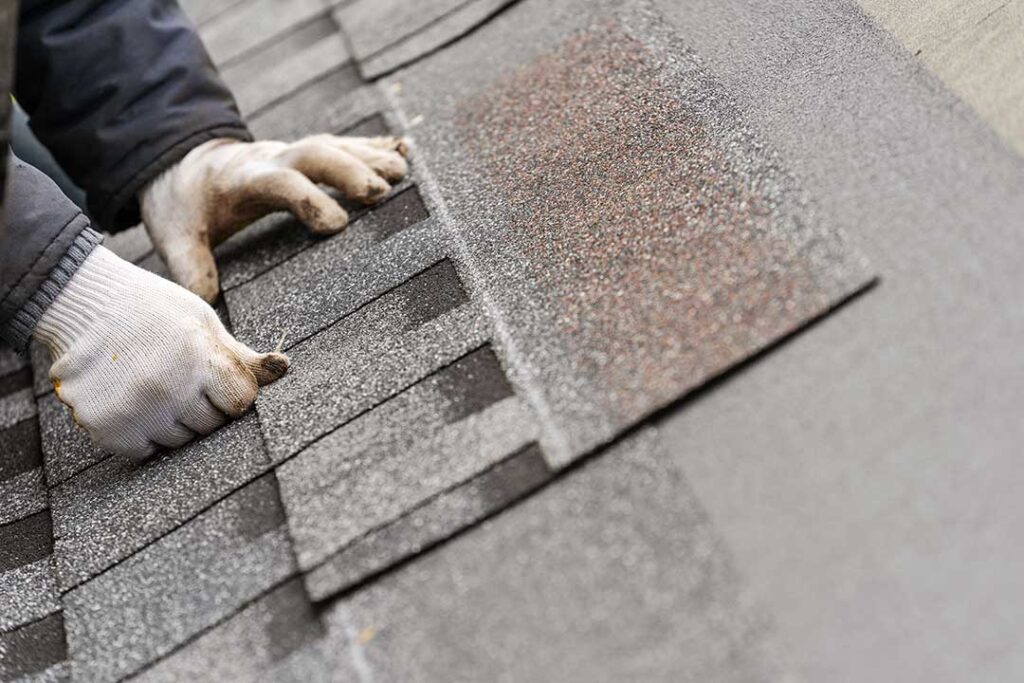
Why roofing vocabulary matters
Understanding basic roofing terms helps homeowners describe problems accurately, compare repair recommendations, and recognize conditions that should not be ignored. In Pittsford, NY, roofs must handle snow, ice, wind, rain, freeze-thaw cycles, and occasional tree debris, so knowing what a roofer or inspection report means can be especially useful.
A roofing system is more than the visible shingles. It includes several layers and components that work together to keep water out, manage moisture, and protect the structure below.
What are the main parts of a roof?
The roof deck is the structural surface beneath the underlayment and roof covering. It is commonly made from plywood or oriented strand board. Shingles are fastened to the deck, but the deck itself must remain sound. Soft spots, sagging, or dark areas visible from an attic may indicate moisture damage or deterioration.
The underlayment is a water-resistant layer installed over the roof deck and beneath the shingles. It provides secondary protection if wind-driven rain gets below the roof covering. Common types include asphalt-saturated felt and synthetic underlayment.
The roof covering is the outer layer exposed to weather. Asphalt shingles are common, but other coverings include metal panels, slate, wood shakes, and membrane materials used on low-slope sections.
The roof edge includes several components:
- Eaves are the lower horizontal edges of a sloped roof.
- Rakes are the sloped edges along the sides of a roof.
- Fascia is the trim board running along the eaves and rakes.
- Soffit is the underside of the eaves, often containing ventilation openings.
These terms matter because water damage and ventilation problems often begin around roof edges rather than in the middle of a roof slope.
What is flashing, and why does it matter?
Flashing is thin material installed around roof joints and openings to direct water away from vulnerable areas. It may be made from metal, rubberized material, or another water-resistant product.
Common flashing locations include:
- Chimneys
- Plumbing vent pipes
- Skylights
- Roof-to-wall intersections
- Valleys
- Dormers
- Sidewalls and headwalls
A step flashing system uses individual pieces of flashing arranged along the side of a wall or chimney. A counterflashing layer may be built into masonry or installed over base flashing to help keep water from entering the joint.
Flashing is not simply decorative trim. A roof can have relatively new shingles and still leak if flashing is loose, corroded, improperly installed, or sealed with a material that has failed.
What is a roof valley?
A valley is the inside angle where two roof slopes meet. It collects water and channels it toward the eaves or a drainage point.
Valleys receive concentrated water flow, leaves, ice, and snow. They may be constructed as:
- Open valleys, where a strip of metal or other visible material remains exposed.
- Closed-cut valleys, where shingles overlap in a defined pattern.
- Woven valleys, where shingles from both slopes are interlaced.
A valley does not automatically need repair because it looks different from the rest of the roof. The important questions are whether water is draining properly, whether the materials are secure, and whether the area shows cracking, lifting, rust, or staining.
What do roof pitch and slope mean?
Roof pitch describes how steeply a roof rises compared with its horizontal span. It is often written as a ratio, such as 6-in-12, meaning the roof rises six inches for every twelve inches of horizontal distance.
The terms pitch and slope are often used interchangeably, although roofing professionals may distinguish between them mathematically. A roof’s steepness affects:
- How quickly water and snow move off the surface
- Which materials are suitable
- How easy the roof is to inspect or walk on
- How much visible roof area a house has
- How vulnerable the roof may be to drifting snow or ice buildup
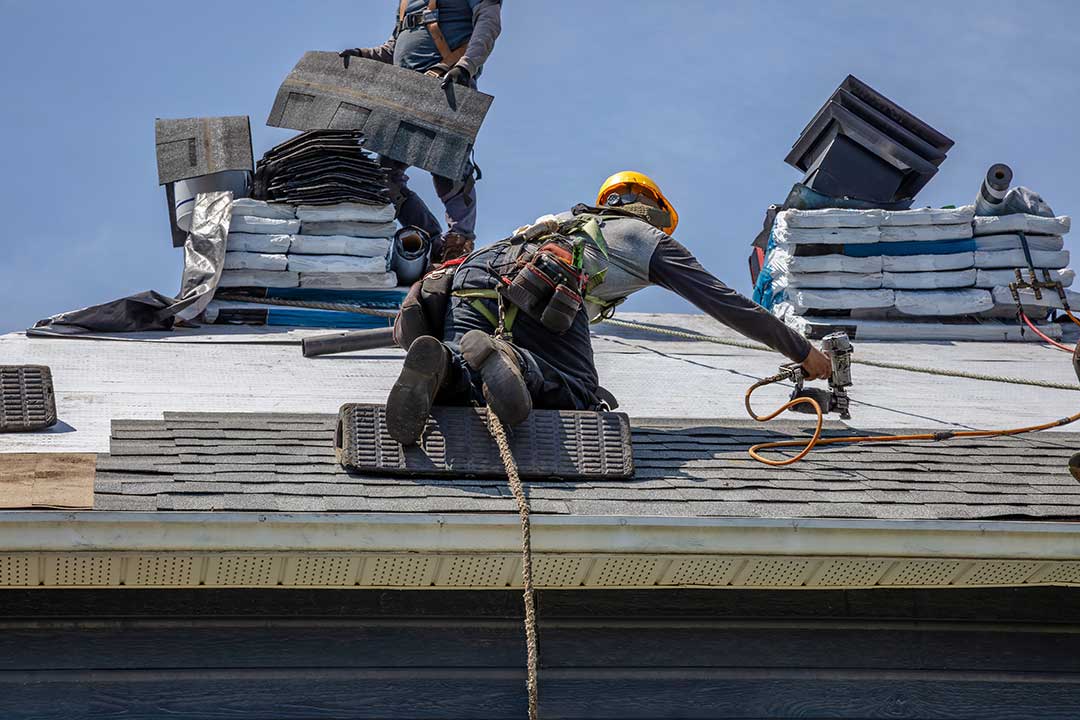
Steeper roofs can shed precipitation more readily, but they may also require specialized safety equipment for inspection and maintenance.
What are ridge, hip, and gable terms?
The ridge is the highest horizontal line where two roof slopes meet. Ridge shingles or a ridge cap cover and protect this area.
A hip is an outside intersection where two roof slopes meet and form an angle. A roof with sloping sides on all edges is called a hip roof.
A gable is the triangular wall section beneath the meeting point of two sloping roof sections. The sloped edges around a gable are called rakes.
A roof can include several shapes at once, particularly on older homes, additions, porches, dormers, and attached garages. Each change in direction creates another location where flashing, drainage, and ventilation must be considered.
What are roof vents and attic ventilation?
Attic ventilation allows air to move through the attic space, helping manage heat and moisture. A typical system uses intake ventilation near the eaves and exhaust ventilation near the ridge or upper roof areas.
Common terms include:
- Soffit vents, located under the eaves, usually provide intake air.
- Ridge vents, installed along the roof ridge, allow warm, moist air to escape.
- Gable vents, placed in triangular gable walls, provide ventilation through the ends of the attic.
- Roof louvers, sometimes called box vents, allow air to exit through individual openings.
Ventilation is different from insulation. Insulation slows heat transfer, while ventilation manages air movement. Both affect attic conditions.
Poor ventilation can contribute to condensation, frost, mold-like growth, deteriorating sheathing, and premature shingle aging. In cold weather, warm attic air can melt snow on the roof from below, causing water to refreeze near the colder eaves.
What is an ice dam?
An ice dam is a ridge of ice that forms along the lower edge of a roof and prevents melting snow from draining away. Water may then back up beneath shingles or enter around flashing and roof edges.
Ice dams are usually associated with uneven roof temperatures, attic heat loss, snow cover, and inadequate air sealing or ventilation. They are not caused only by the outdoor temperature. Homes with complex rooflines, shaded slopes, and heavy snow accumulation may experience different conditions on different sections of the same roof.
Removing snow with forceful tools can damage shingles. Chipping ice can also harm the roof covering and flashing. Because ice dam conditions involve slippery surfaces and hidden water damage, roof access during an active event can be hazardous.
What is the difference between a roof leak and roof condensation?
A roof leak occurs when water enters through a failure in the roof system, such as damaged shingles, failed flashing, or an opening around a penetration.
Condensation occurs when warm, moist air contacts a cold surface and turns into liquid water. In winter, condensation may appear on nails, roof sheathing, or attic insulation even when the exterior roof covering is intact.
Stains on an attic surface do not always identify the source. Water can travel along rafters, trusses, or roof decking before becoming visible. A stain directly below a roof penetration may come from a higher point on the roof rather than the penetration itself.
What do shingle age and remaining life really mean?
Shingle age is the time since installation, not a guarantee of remaining service life. A roof’s condition also depends on ventilation, installation quality, sun exposure, storm history, foot traffic, maintenance, and moisture.
Granule loss refers to the small protective particles that wear away from asphalt shingles. Some granules in gutters are normal, especially after installation, but large amounts of loose granules, bald patches, or exposed matting may signal advanced wear.
Blistering appears as raised areas on a shingle surface. Curling, cracking, and lifting describe different forms of shingle deterioration. These conditions may be isolated or widespread, and their significance depends on age, pattern, and location.
Knowing these terms makes it easier to distinguish ordinary aging from visible evidence of a developing roofing problem.
