
What Is Roof Flashing?
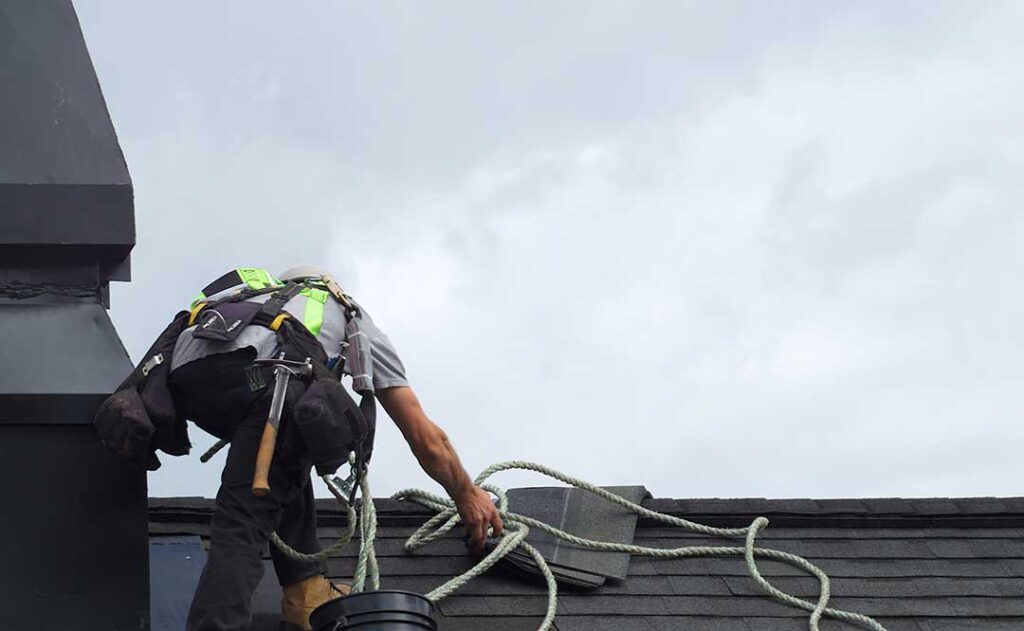
Roof flashing is a thin, typically metal material installed at joints, edges, and other vulnerable points on a roof to direct water away and prevent leaks. In Pittsford, NY, where seasonal changes bring everything from heavy spring rain to melting winter snow, well-installed flashing is a silent guardian that keeps water out of attics, walls, and ceilings. Whether at a chimney base, around skylights, or along roof valleys, flashing helps create a watertight barrier at places where shingles alone aren’t enough.
Why Does Flashing Matter for Pittsford Homeowners?
Flashing is essential because it addresses the weak spots where water is most likely to infiltrate. Pittsford sees significant precipitation throughout the year—icy winters, wet springs, and rapid freeze-thaw cycles. These conditions can stress roofs, especially where surfaces meet or break in slope. Without reliable flashing, even a relatively new roof can quickly develop leaks that lead to wood rot, mold growth, or insulation damage.
For area households with older homes or complex rooflines, maintaining flashing is just as important as replacing worn shingles. Many common leaks—such as those found around skylights or chimneys—are due to failing or incorrectly installed flashing rather than problems with the roofing itself.
Where Is Flashing Found on a Roof?
You’ll find flashing in places where different building materials meet or change direction. Typical locations include:
- Chimneys: Flashing seals the area where the chimney meets the roof deck, one of the most leak-prone spots in traditional Pittsford homes.
- Skylights and vent pipes: Metal strips help divert water away from these protrusions.
- Valleys: Where two roof planes join, valley flashing channels water safely off the roof.
- Eaves, rakes, and step areas: Flashing provides protection at the intersection of roof edges and vertical walls.
Sheet metal (aluminum, steel, or copper) is most common, but other materials like rubberized membranes are also used in specific scenarios.
How Does Flashing Protect Against Local Weather?
Pittsford’s climate creates unique challenges for roofs. The freeze-thaw cycles common from late autumn into early spring can cause ice dams, trapping water above the eaves and valleys. Flashing acts as an extra line of defense, preventing melting snow or driving rain from making its way under shingles.
High winds, a familiar occurrence during seasonal storms, can dislodge poorly fastened flashing or peel back shingles, exposing vulnerable seams. Properly installed flashing is both secured beneath the shingle layer and sealed at the edges, offering reinforced resistance to wind-driven rain.
What Problems Can Poor Flashing Cause?
Most persistent roof leaks in Pittsford originate not from wide-open gaps but from tiny cracks or gaps around flashing. Some of the most common flashing issues local homeowners encounter are:
- Gaps or loose sections, especially after storms or heavy winds
- Corrosion, often seen in older homes with original metalwork
- Deteriorated sealant, particularly on older asphalt-based roofing
- Shifting caused by seasonal expansion and contraction
Small flashing failures can result in:
- Stains on interior drywall
- Deterioration of insulation
- Hidden mold growth in attics or wall cavities
- Premature decay of roof decking and framing
Because these signs often appear far from the roof itself, leaks due to poor flashing may go unnoticed until major repairs are needed.
Can Homeowners Inspect or Maintain Flashing Themselves?
Some basic roof-checks can be performed safely from the ground or with binoculars. Homeowners in Pittsford can look for:
- Rust or obvious gaps at roof-to-chimney connections
- Metal strips that have pulled away from roof surfaces
- Damaged or missing caulk or sealant
- Water stains on attic rafters directly under roof intersections
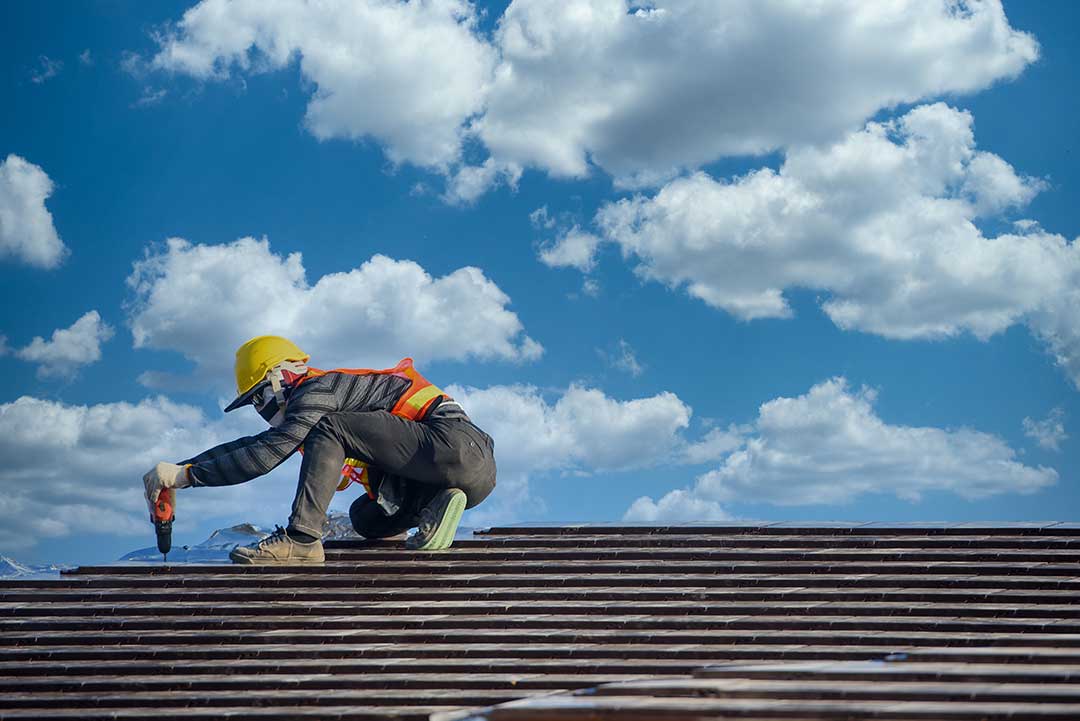
Flat roof areas or homes with gently sloped roofs may allow closer inspection from a ladder, but climbing onto steep or slippery roofs is hazardous and generally not recommended. Additionally, winter ice or early spring thaw can make surfaces especially dangerous.
Tiny repairs—like resealing hairline cracks with roofing caulk—may be within the capabilities of some handy residents. However, more extensive flashing work around chimneys, valleys, or skylights is better left to those with the proper safety equipment and knowledge of local building codes.
Do Pittsford Homes Have Special Flashing Needs?
Older homes in Pittsford often feature traditional brick chimneys or decorative valleys, requiring flashing work compatible with existing materials. For example, copper flashing is sometimes chosen for historic homes to match existing finishes and provide long-term durability.
Homes subjected to heavy snow buildup or those with complex multi-slope designs may need extra attention at valleys, dormers, or intersecting rooflines. In neighborhoods with mature trees, leaf debris can trap moisture around flashing layers, hastening corrosion if gutters and roof surfaces are not cleared regularly.
Area building codes and roof construction standards support the use of weather-resistant flashing materials and installation practices suited for the local climate. When roofs are replaced or significant work is done, ensuring all flashing is up to modern moisture barrier standards is especially important for long-term protection.
What Are Some Misconceptions About Roof Flashing?
One common misconception in the community is that all roof leaks mean shingles need replacement. In reality, many leaks can be traced back to a specific point of flashing failure—often involving as little as a few inches of compromised material rather than the entire roof surface.
Another misunderstanding is around DIY repairs. Simply slapping new caulk over worn flashing rarely solves the problem for long, especially in areas with severe winter weather. Proper repairs almost always require careful removal of surrounding materials, thorough cleaning, and precise reinstallation of both the flashing and any adjacent roofing.
When Should Flashing Be Replaced or Updated?
Flashing should be evaluated during every major roof replacement or whenever significant roof repairs are made. For most Pittsford homes, flashing will outlast basic shingles if installed correctly, but may need replacement sooner if:
- The roof’s age approaches 20+ years, particularly in homes with multiple repairs
- There are signs of visible rust, loosening, or repeated leaks after rainstorms and snowmelt
Proactive flashing inspection every few years—especially after winter—can address minor issues before they become costly.
