

What Is Roof Underlayment and Why Does it Matter?
Roof underlayment is a layer of water-resistant or waterproof material installed directly onto your roof deck, underneath the shingles or other roofing finishes. This hidden component acts as a critical barrier against moisture and wind-driven rain, which is especially important given the seasonal weather shifts in Pittsford, NY. Without underlayment, even a small roof leak could cause water to penetrate the wood sheathing, triggering rot or mold over time.
Which Types of Roof Underlayment Are Used in Pittsford?
Homeowners most frequently encounter three major types:
- Asphalt-saturated felt: Sometimes called “tar paper,” this has been a traditional choice for decades. It offers decent water resistance and is relatively affordable.
- Synthetic (polypropylene or polyethylene): Lightweight, highly durable, and less prone to wrinkling, synthetic underlayments are common in new constructions and replacements.
- Rubberized asphalt (peel-and-stick): This self-adhering material is waterproof and often installed in vulnerable roof areas (like eaves or around chimneys) to prevent leaks from ice dams—a significant concern during Pittsford winters.
Each type comes with trade-offs in terms of cost, breathability, weight, and longevity. Many area homes now combine products for improved protection.
How Does Underlayment Perform Throughout the Year?
In Pittsford, the variety in weather—ranging from heavy spring rain to lake-effect snow and cycles of freeze and thaw—demands robust roof protection. Underlayment helps:
- Provide a backup later if shingles are damaged or blown off in a windstorm
- Prevent wind-driven rain or snow melt from seeping into the attic
- Limit the risk of rot and structural damage by acting as a moisture shield during thaws
Locally, roofs can also experience rapid temperature swings, so the expansion and contraction of materials is a consideration. Modern underlayments are designed to accommodate movement without cracking.
Is Underlayment Required by Building Codes?
Yes, local building codes do require roof underlayment on new and replacement roofs. Pittsford follows New York State Residential Building Code, which mandates underlayment in all shingle roofing systems. Ice and water shield is also required along the lowest edges of roofs—typically extending at least 24 inches inside the exterior wall line, a rule aimed at preventing damage from ice dams. Neglecting code-compliant installation can lead to inspection failures or future warranty issues if you ever need to make an insurance claim.
What Mistakes Do Homeowners Commonly Make about Underlayment?
Several misconceptions persist:
- Thinking underlayment is optional: Even if shingles appear watertight, underlayment is necessary for code compliance and lasting protection.
- Assuming all underlayment is the same: Each product has unique performance characteristics. For example, synthetic materials generally resist tearing and UV better than felt.
- Skipping replacement during a reroof: Some residents try to save costs by reusing old underlayment or leaving it in place if it “looks fine.” Aged or damaged underlayment can compromise the roof’s protection.
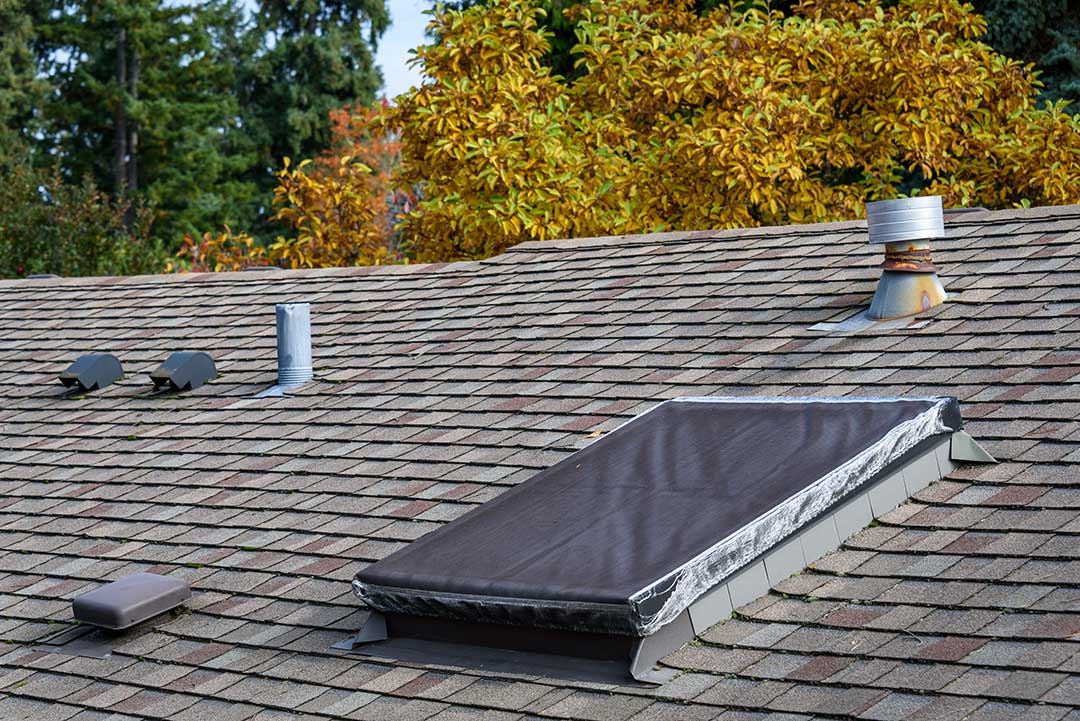
These oversights can shorten a roof’s lifespan or lead to unexpected leaks and costly repairs.
How Long Does Roof Underlayment Last?
The lifespan of underlayment depends on the material, installation quality, and exposure. Basic asphalt-felt may last 12-20 years under shingles, while higher-grade synthetic or rubberized products tend to last longer—sometimes as long as the shingles themselves, with proper installation. However, if underlayment is exposed to direct sunlight or gets damaged during installation, its life can be drastically shortened. Periodic inspections of your attic and roof deck, especially after severe storms, help catch any unseen leaks before they become serious.
How Can Residents Identify Problems with Underlayment?
Since it sits beneath the visible roofing, underlayment problems are difficult to spot from ground level. However, a few clues may indicate trouble:
- Water stains on interior ceilings or attic rafters
- Mold or mildew odors in the attic
- Peeling paint or plaster high on interior walls
- Ice dams or visible shingle curling near the eaves
If you find these symptoms, it may signal water penetration at the roof deck. The source could be missing, damaged, or deteriorated underlayment. During any major shingle replacement, local contractors will typically check beneath the surface and recommend repairs if issues are found.
Are There Special Considerations for Older or Historic Homes?
Many homes in the area feature steep pitches or original materials. When updating these older roofs, it’s critical to use underlayment that balances moisture management with breathability. Some traditional roofing needed the roof deck to “breathe” more than modern systems. In such cases—especially with wood shakes or slate—specialized underlayments may be used that allow vapor to escape while still blocking water. Always check that upgrades maintain the architectural integrity and comply with current code.
What Else Should Homeowners in Pittsford Know?
The freeze-thaw cycle and risk of ice dams make quality underlayment (especially along eaves and valleys) a vital investment for the community’s homes. Even the most robust shingle systems benefit from a quality layer beneath. When updating a roof, documenting the materials and installation details will streamline any future inspections or insurance claims. Every home’s roof system is unique, so understanding the role, types, and maintenance needs of underlayment gives area residents confidence in maintaining safe, dry homes—no matter what the local weather brings.
