
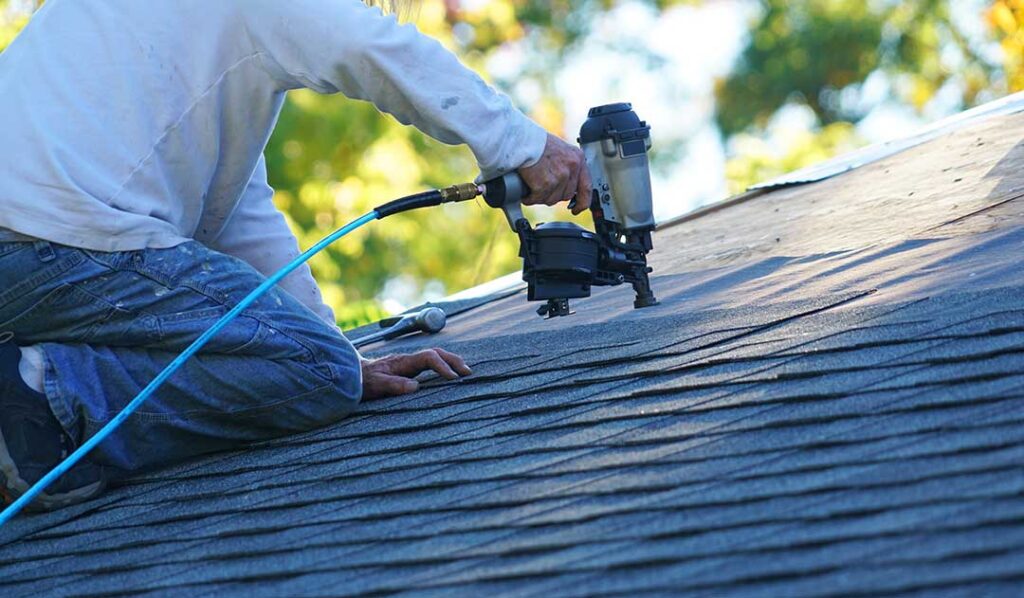
A typical asphalt-shingle roof lasts about 15 to 30 years, although the actual service life depends on the roofing material, installation quality, ventilation, maintenance, and exposure to weather. In Pittsford, NY, seasonal changes can place repeated stress on roofing systems, so two roofs of the same age may be in very different condition.
How long does an asphalt-shingle roof usually last?
Most three-tab asphalt-shingle roofs last approximately 15 to 20 years. Architectural or dimensional shingles commonly last 20 to 30 years under favorable conditions. Premium, impact-resistant, or specially manufactured shingles may have longer expected service lives, but their actual performance still depends on the entire roofing system.
A roof’s age is useful, but it should not be the only factor used to judge whether replacement is necessary. A well-maintained roof may remain serviceable near the end of its expected lifespan, while a poorly ventilated or storm-damaged roof may develop problems much earlier.
Manufacturers’ warranty periods also should not be treated as guaranteed roof lifespans. A warranty may cover specific manufacturing defects under certain conditions, but it does not mean the roof will perform perfectly for that entire period.
What is the expected life of other roofing materials?
Different roofing materials age at different rates. Typical ranges include:
- Three-tab asphalt shingles: about 15 to 20 years
- Architectural asphalt shingles: about 20 to 30 years
- Wood shingles or shakes: about 20 to 30 years with careful maintenance
- Standing-seam metal roofing: about 40 to 70 years
- Clay or concrete tile: about 50 years or longer
- Slate roofing: often 75 to 100 years or more
These are general ranges rather than guarantees. Underlayment, flashing, fasteners, drainage, attic ventilation, and the condition of the roof deck all affect long-term performance.
In residential neighborhoods with older housing stock, it is also common for the roof covering, flashing, and ventilation system to have been installed or repaired at different times. This can make the roof’s overall condition less predictable than its visible shingle age suggests.
How does Pittsford weather affect roof life?
Seasonal weather can shorten roof life by causing repeated expansion, contraction, moisture exposure, and freeze-thaw stress. Roofs in Pittsford must typically endure cold winters, snow, ice, spring rainfall, summer sun, humidity, and occasional strong storms.
Snow itself is not always damaging, but heavy or prolonged snow can add weight and keep the roof surface wet for extended periods. Ice dams are another concern. They can form when heat escapes into a cold attic, melts snow on the upper roof, and allows water to refreeze near colder eaves. The resulting water may back up beneath shingles and affect underlayment, decking, insulation, or interior finishes.
Wind can lift or loosen shingles, particularly along roof edges, ridges, and areas around chimneys or roof penetrations. Summer sunlight can gradually dry and weaken asphalt, while fallen leaves and organic debris may hold moisture against the roof surface.
What factors shorten a roof’s lifespan?
Several conditions can cause premature aging:
Poor attic ventilation
A properly balanced ventilation system helps control heat and moisture in the attic. Excess heat may accelerate shingle deterioration, while trapped moisture can contribute to mold, wood decay, and weakened insulation. Ventilation problems may be especially noticeable after winter, when indoor humidity and roof temperatures vary significantly.
Improper installation
Missing starter shingles, inadequate flashing, incorrect fastening, exposed nails, and poor underlayment details can all reduce durability. Installation problems are not always visible from the ground, and some may only become apparent during heavy rain, wind, or melting snow.
Repeated moisture exposure
Clogged gutters, blocked downspouts, moss, leaf buildup, and poor drainage can keep roofing components damp. Moisture may also collect around roof valleys, chimneys, skylights, vent pipes, and low-slope sections.
Storm damage
Hail, wind, falling branches, and heavy weather can create isolated damage even when most of the roof looks sound. A single damaged area may allow water to enter and gradually affect decking or insulation.
Multiple roof layers
Some roofs have more than one layer of shingles installed over older roofing. Additional layers can add weight, make the surface more difficult to inspect, and conceal problems in the older roof. They may also affect how well new materials lie flat.
How can a homeowner tell whether a roof is aging?
Some warning signs are easy to see from the ground, while others require closer inspection. Common indicators include:
- Shingles that are curling, cracking, blistering, or missing
- Granules collecting in gutters or at downspout outlets
- Dark streaks, moss, or persistent organic growth
- Sagging areas along the roofline
- Damaged or rusted flashing
- Water stains on ceilings or upper walls
- Damp insulation or musty attic odors
- Daylight visible through the roof deck
- Repeated leaks in the same general area
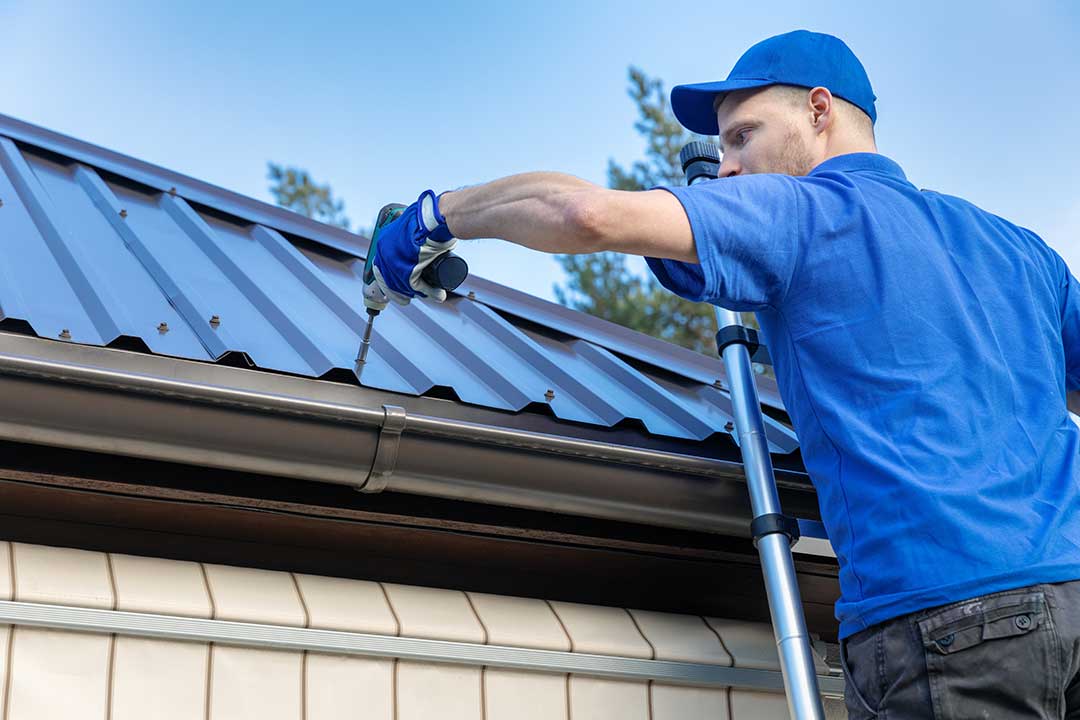
A few missing granules do not automatically mean the roof has failed. Asphalt shingles naturally shed some granules over time. However, widespread granule loss, bald patches, or exposed fiberglass mat indicate more advanced wear.
Interior stains also deserve attention. A stain may come from an active leak, an old repair, condensation, or plumbing rather than the roof itself. Finding the source is more useful than simply covering the visible mark.
Should an older roof always be replaced?
No. Roof replacement is not determined by age alone. A roof that is 18 years old may still have several useful years remaining if the shingles, flashing, ventilation, and decking are in good condition. Conversely, a younger roof may need major repair after severe storm damage or an installation defect.
Replacement becomes more likely when damage is widespread, leaks are recurring, shingles are deteriorating across large sections, or the underlying decking has lost its structural integrity. Local building requirements may also affect how roofing work is performed, especially when existing materials are removed or multiple layers are present.
Repairs may be reasonable when damage is limited and the rest of the roof remains sound. A repair is less dependable when shingles are brittle, materials are difficult to match, or water has affected hidden components over a broad area.
How can roof life be extended?
Routine observation and maintenance can help a roof reach its expected lifespan. Useful steps include:
- Keep gutters and downspouts clear so water drains away from the roof and foundation.
- Trim branches that rub against roofing or could fall during storms.
- Check the attic for damp insulation, condensation, or visible roof-deck staining.
- Look for loose or missing shingles after high winds.
- Keep roof valleys and drainage paths free of accumulated debris.
- Address small flashing or sealant failures before they become larger moisture problems.
- Avoid walking on shingles unless necessary, since brittle materials can crack under pressure.
Roof inspections should be performed cautiously. Steep slopes, icy surfaces, wet shingles, and damaged areas create fall hazards. Conditions involving structural sagging, active interior water entry, exposed electrical components, or extensive storm damage may require qualified assistance for safe evaluation.
For most homes, the most useful approach is to track the roof’s installation date, note repairs and storm events, and monitor changes from season to season. That information provides a more accurate picture of remaining service life than a simple age estimate.
