
What Does Hail Damage Look Like on a Roof?
Hail can leave a distinct pattern of wear and impact on roofing materials, but the signs are often subtle and can be missed by the untrained eye. In Pittsford, NY, the effects of hail tend to appear as random, circular dents, bruising, or missing granules on shingles. Unlike regular weathering or typical small debris impact, hail damage rarely follows a set pattern and is scattered unevenly across roof surfaces.
For asphalt shingles, look for:
- Small, round depressions with the appearance of being “punched” into the surface
- Granule loss, often revealing the black substrate underneath
- Shingles that feel softer or “bruised” when gently pressed
- Cracked or broken pieces at the edges
Metal roofs might display:
- Clearly visible dents, especially on flatter panels or roof vents
- Marked paint loss or chalking at impact points
Wood shingles may show:
- Random splits with sharp edges and minimal aging at the split
Hail damage may not always be dramatic—often, it blends into the roof’s general wear if not examined up close.
Why Is Spotting Hail Damage Important in Pittsford, NY?
Hail is more common than many residents expect, particularly during late spring and early summer storms. Pittsford’s mix of older homes, mature trees, and varied roof ages means hail impacts can range from cosmetic to structural. Early recognition can help prevent issues such as leaks, premature shingle failure, and, for some households, complications with property insurance claims due to late reporting.
Because hail doesn’t always cause immediate leaks, many local homeowners underestimate its long-term effects. If left unchecked, even small hail-induced bruises can allow water infiltration during the area’s freeze-thaw cycles, causing more extensive roof deck damage over time.
How Can You Safely Inspect Your Roof for Hail Damage?
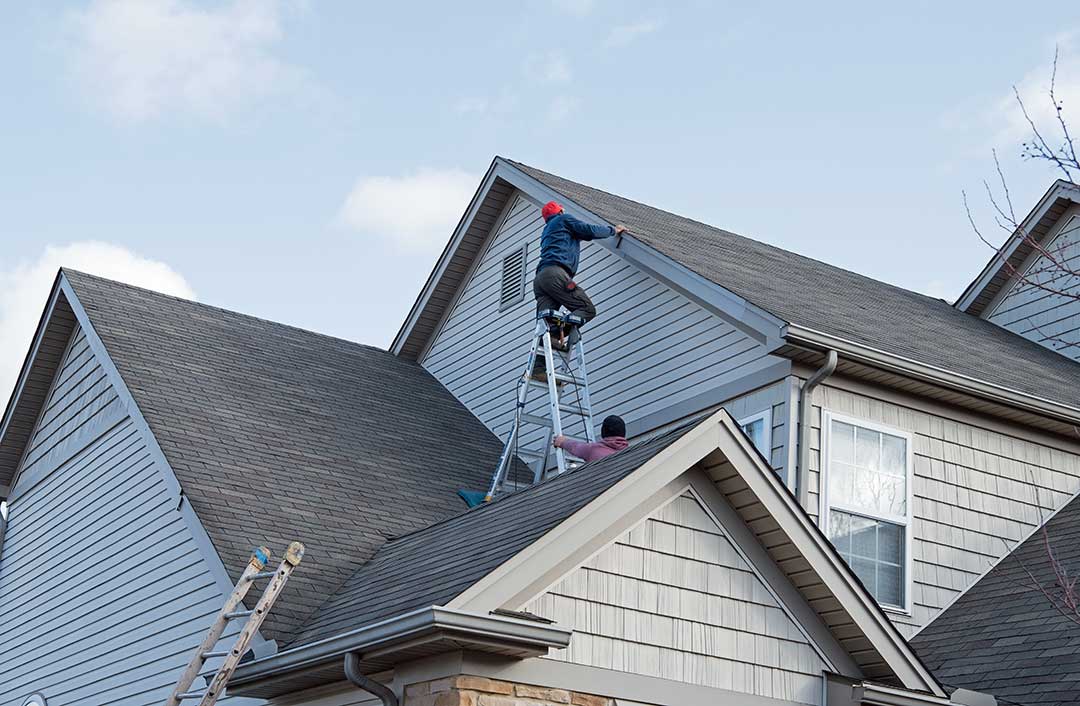
A visual check from ground level or a sturdy ladder is usually enough for most Pittsford residents. Start by observing your roof after any significant hail event, keeping safety first—never climb onto steep or wet roofs without proper safety measures.
Look over:
- Gutters and downspouts for accumulated granules, indicating shingle surface loss
- Flashings and metal surfaces (vents, caps, skylights) for dents or paint loss
- Shingle surfaces for random round marks and patches of missing granules
- Attic spaces for wet spots or staining, signaling possible leaks
Binoculars can help identify subtle shingle bruising or dent patterns without the need to get close to the roof edge. Avoid poking or prying at shingles—pressure on already bruised spots can create new openings for water.
What Other Signs Around the House Indicate Possible Roof Hail Damage?
Clues that hail was severe enough to harm your roof often appear elsewhere on your property. Checking exterior features may alert you to less visible shingle damage.
Look for:
- Dings or chips on painted siding, window screens, or trim
- Dents on vehicles parked outside
- Damage to patio furniture, decks, or outdoor grills
- Shredded or torn plant leaves directly after a hailstorm
Such evidence around your property suggests your home’s roof could have been equally affected, even if no immediate roof leaks are seen.
Are Some Roof Types in Pittsford More Vulnerable to Hail?
Certain roof materials respond differently based on age and installation style. In Pittsford, common housing stock includes a variety of asphalt shingle profiles, as well as some metal and wood shake roofs.
- Older three-tab asphalt shingles are typically more fragile and susceptible to both granule loss and bruising
- Architectural (dimensional) asphalt shingles may perform better, but large-sized hail can still dent or crack these styles
- Metal panels (especially aluminum) show dents clearly but are less likely to leak unless seams or fasteners are impacted
- Wood shakes can split, with newer shakes occasionally resisting damage better than aged or weathered wood
Age and recent weather history also matter—shingles nearing the end of their service life may break down much faster after a hail impact compared to newer, more resilient materials.
What Are Common Misconceptions About Hail Damage?
Many Pittsford homeowners believe that hail must be very large or visibly shatter windows to cause true roof damage. In reality, even moderate-sized hail (around the diameter of a quarter) can create problems over time, especially if the storm lasted several minutes.
Another misconception is that a lack of immediate leakage means a roof is undamaged. Surface bruising may not cause leaks for months or even years, but water can slowly penetrate weakened spots, undermining the structure beneath.
Finally, some expect all roof damage to be symmetrical or confined to one obvious area. Hail tends to hit above prevailing winds, so damage might be severe on one slope but not another.
What Should You Do If You Suspect Hail Damage but Aren’t Sure?
If you notice signs listed above but are unsure whether your roof has been compromised, taking clear, dated photographs of suspected areas is useful. For any area residents uncertain about the extent of potential damage—especially on multi-story homes—it’s wise to avoid direct roof access and instead monitor for interior ceiling stains, higher than normal attic humidity, or new exterior debris after each rainfall.
Most minor hail impacts do not require immediate action unless water intrusion or shingle fragments in gutters are observed. However, regular seasonal roof checks, especially following spring and early summer hailstorms common to the region, can help area households catch small issues before they develop into larger problems.
