
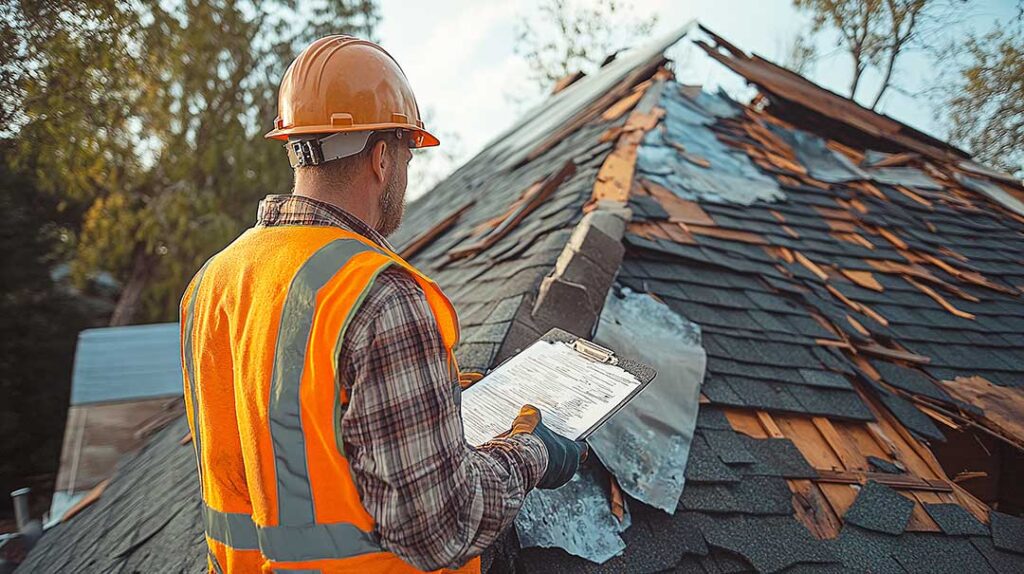
What’s the Difference Between Re-Roofing and Roof Replacement?
Re-roofing and roof replacement both address aging or damaged roofs, but they differ in method, cost, and long-term result. For Pittsford, NY homeowners, understanding these options is essential for making an informed decision—especially with our climate’s seasonal extremes in mind.
Re-roofing means placing a new layer of shingles over an existing one, while roof replacement involves removing the old roof down to the decking and installing everything new. Each approach has specific advantages and limits.
When Is Re-Roofing an Option?
Re-roofing is generally allowed if your roof has one layer of shingles in fair condition. Local building codes, such as those followed in Pittsford, often prohibit more than two layers due to the weight and potential for hidden problems.
Re-roofing is typically used:
- When the roof deck is sound, with no significant water damage or rot
- For asphalt shingle roofs that are aging but have no widespread leaks, sagging, or structural issues
- As a way to refresh appearance or address surface-level wear
This method is quicker and less expensive than a complete replacement, but it has some limits:
- It does not fix deep-seated problems like decking rot or mold trapped under shingles
- It can only be performed once (a second layer only; a third isn’t code-compliant locally)
- Some warranties may not cover a re-roofed system
What Does Roof Replacement Involve?
Full roof replacement is a more involved process. This means all old shingles (and underlayment) are removed down to the wood decking, which is then inspected for any water damage or rot common in the area’s freeze-thaw cycles.
Replacement is required if:
- There are two existing layers of shingles
- The underlying roof structure is soft, uneven, sagging, or has visible mold or moisture
- Shingles are failing due to repeated repairs, storm damage, or age
A new underlayment and flashing are usually installed for water resistance, providing a complete reset of the home’s primary weather barrier. With Pittsford’s late fall rains and winter snow, a fully replaced system offers peace of mind and often qualifies for longer manufacturer warranties.
Which Option Lasts Longer?
A new roof will almost always outlast a re-roof. Re-roofing gives the outer appearance of a new roof, but the underlying layers are still aging. In contrast, a replacement addresses hidden problems and restores every protective component, from underlayment to flashing.
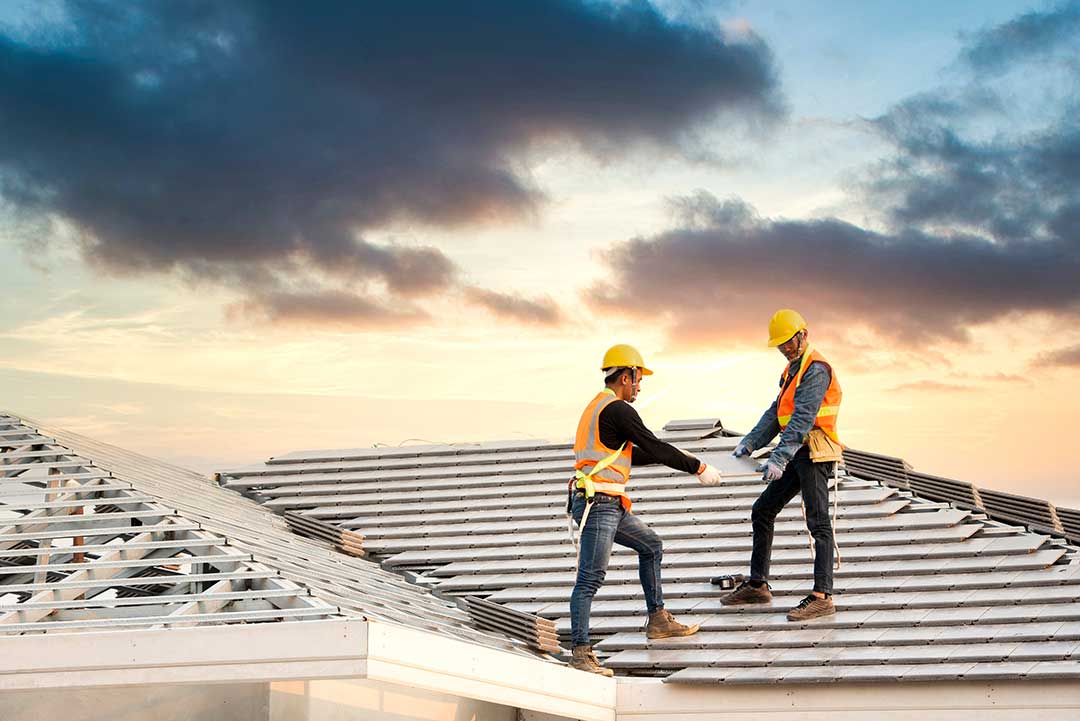
Local households often find that, while re-roofing may buy another 8–15 years, a replacement done with quality materials can last 20–30 years or more, depending on product and ventilation.
How Do Local Climate and Codes Affect the Choice?
Pittsford’s mix of heavy snowfall, damp autumns, and rapid spring thaws can shorten a roof’s lifespan and stress weak spots. Improper moisture control—like trapped ice dams or overlooked rot beneath old shingles—means re-roofing isn’t always a safe shortcut.
Local code enforcement prioritizes safety and structural soundness. Inspections may require proof of decking integrity prior to any roof work. Homeowners should also be aware that local code prevents layering a new roof over two existing layers; violating this can result in mandatory corrections if selling or renovating.
What About Cost and Disruption?
Re-roofing is typically less expensive and faster, involving fewer materials and labor hours. Residents often choose it for budget reasons or to prep for a short-term home sale. Roof replacement costs more up front but may save money long term by preventing recurring repairs, energy inefficiency, or home interior damage from leaks.
While both methods involve noise and activity around the home, replacement generally disrupts daily life for longer. Removal of old layers also means more debris and careful site cleanup—especially during leaf-fall season or in homes with mature landscaping.
Common Misconceptions in the Community
Some area homeowners mistakenly believe re-roofing is just as good as a full replacement for every situation. This isn’t always true. For example:
- Hidden leaks or rot can worsen under new shingles
- Re-roofing doesn’t address sagging or structural weaknesses
- More than two layers isn’t permitted by local regulations
Another common myth is that re-roofing always voids warranties—while some manufacturers allow it if installed properly, this varies widely and should be checked in advance.
How Can Residents Make the Right Choice?
For Pittsford households, a careful attic and roof inspection—especially after harsh winters or storms—is the best way to find early signs of rot, moisture, or ventilation issues that could rule out re-roofing. Compare the current condition, age, and prior repairs of your roof when deciding.
If you’re unsure whether your roof has hidden problems, or if you live in an older home with original decking, it’s generally safer to invest in a complete replacement. For newer roofs with only surface wear, re-roofing may be appropriate if local code and manufacturer guidelines are followed.
